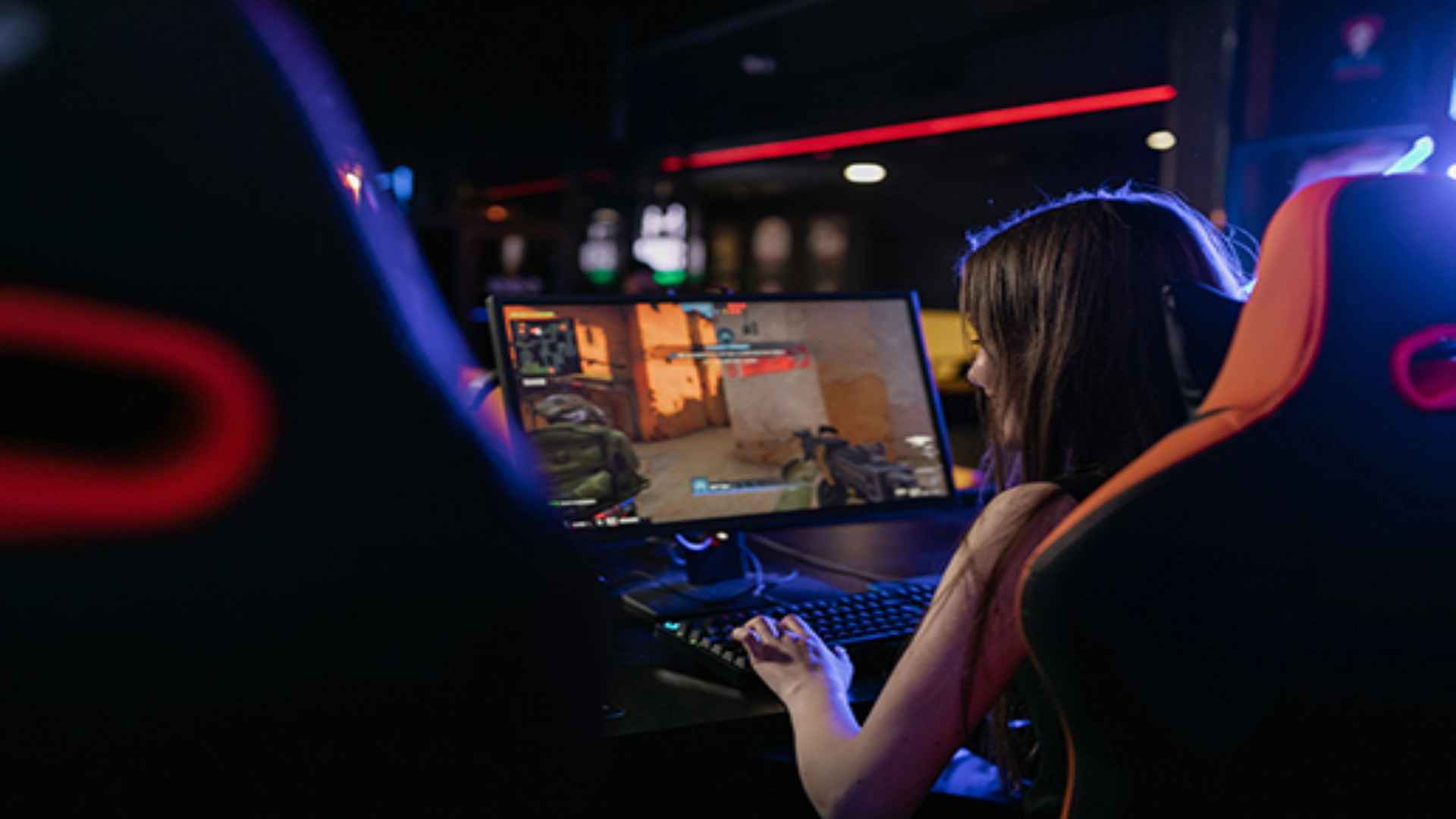
The digital transformation of card gaming has moved the battlefield from physical tables to sophisticated software platforms. For modern players, the technical execution of these platforms is just as critical as raw strategic skill. When an application runs flawlessly, it creates an immersive space where strategic decisions can be executed with absolute precision and peace of mind.
The Direct Impact of System Latency
In online poker environments, connection stability and frame rendering speeds directly dictate how a player interacts with the table. Even minor delays can disrupt the timing of automated decision windows, causing accidental folds or costly input errors. High-performance software architectures eliminate these microscopic lagging issues, ensuring that actions match the user's intent in real time.
Furthermore, structural stability during peak traffic hours separates premium platforms from poorly optimized counterparts. When hundreds of concurrent tournaments run simultaneously, server-side data streams must remain balanced to prevent systematic disconnection events. Players rely on this engineering consistency to protect their tournament equity during critical blinds phases.
Multi Table Session Demands
Serious enthusiasts frequently manage multiple tables at once, a practice that places immense pressure on a client's processing efficiency. Highly optimized programs utilize sophisticated memory management to load diverse assets without straining your device's primary processor. This efficient utilization allows for seamless navigation when transitioning your attention between different tournament layouts.
When reviewing diverse entertainment platforms, evaluating technical benchmarks like a responsive m88 slot framework helps demonstrate how stable coding supports interactive graphics. Software that limits system resource consumption ensures that auxiliary tracking tools and hand history databases run simultaneously without creating performance friction. This capability enables serious players to maintain an analytical edge throughout their extended sessions.
User Centered Interfaces Reduce Fatigue
The visual presentation and menu navigation within a gaming platform directly impact a participant's long-term mental endurance. A clean layout with intuitive button placements reduces the cognitive load required to manage standard actions. By eliminating unnecessary visual clutter, developers help players maintain focus on calculating complex pot odds and analyzing opponent behavior.
Consistent software updates also ensure that visual elements scale properly across a wide range of monitors and display resolutions. This flexibility is essential for individuals who configure customized grid formations or stacked window orientations on desktop setups. A responsive interface preserves visual clarity, preventing physical eye strain over hours of continuous competitive engagement.
Long Term Reliability and Security
Behind every smooth user experience lies a robust security framework that works quietly to safeguard data integrity and financial transactions. Stable software engines prevent sudden application crashes that could expose accounts to unexpected vulnerabilities or synchronization errors. This underlying security architecture builds deep consumer trust over years of ongoing updates and iterations.
Ultimately, a development team's commitment to regular optimization guarantees that the application adapts to changing computer operating systems. Continuous refactoring prevents the accumulation of technical debt, which frequently causes legacy platforms to slow down over time. Selecting a platform built on a modern infrastructure ensures a premium, future-proof gaming environment.