Tabletop gaming has evolved far beyond casual parlor pastimes into a highly demanding arena where strategic execution and emotional regulation are key to long-term success. While luck plays a transient role in individual rounds, players who consistently apply a structured approach and rigorous self-control invariably rise to the top. This guide explores how specific table games cultivate and reward the essential traits of competitive discipline.
The Mathematical Precision of Blackjack
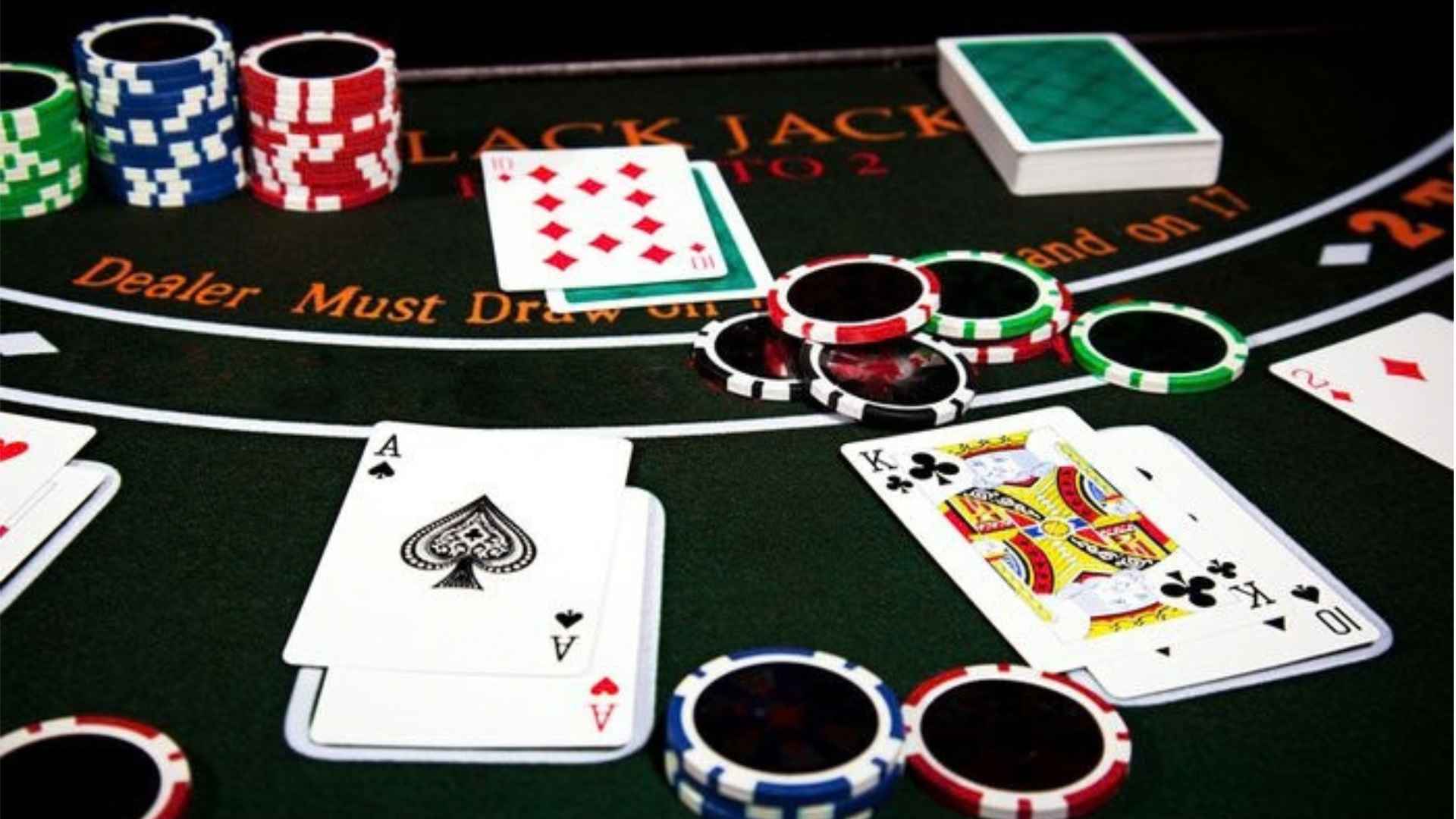
Among classic casino offerings, blackjack stands as a primary example of a game that penalizes emotional decision-making and rewards strict statistical adherence. Players must distance themselves from gut feelings and instead rely entirely on mathematically proven basic strategies for every hand combination. By consistently choosing the optimal action regardless of personal anxiety, disciplined individuals can systematically reduce the house advantage to its absolute minimum.
Furthermore, maintaining this level of focus over extended playing sessions is what separates professional players from typical enthusiasts. For those looking to sharpen their skills and test their strategic patience on a reliable platform, visiting M88asia offers an excellent space to practice under realistic conditions. Developing this systematic habit ensures that your bankroll is preserved during inevitable periods of short-term variance.
Tactical Patience in Modern Poker
Poker represents the ultimate test of psychological endurance and strategic boundary-setting on the tabletop. Success in this game requires the competitive discipline to fold weak hands repeatedly, sometimes waiting hours for the perfect moment to strike. Players who lack self-control quickly fall victim to impatience, making costly blunders that opponents will immediately exploit.
Additionally, managing your emotions after a difficult loss is critical to preventing a psychological downfall known as tilt. Disciplined competitors treat each hand as an independent event, analyzing statistical probabilities rather than seeking emotional retribution. This commitment to objective analysis allows players to maintain steady performance throughout highly stressful tournaments.
Long-Term Planning in Chess
Outside of card games, chess remains the quintessential battlefield for pure mental discipline and foresight. Because the game features zero hidden information and absolutely no elements of luck, victory belongs entirely to the player who can plan multiple moves ahead while remaining calm under pressure. A single impulsive move born of overconfidence can instantly dismantle hours of careful positional building.
Developing a competitive mindset in chess also involves studying your own past mistakes with an objective, growth-oriented attitude. Players must learn to embrace complex tactical challenges and adapt their defense as the board dynamic shifts. This relentless commitment to continuous self-improvement is what makes chess highly effective for sharpening everyday cognitive skills.